- 24/7 CUSTOMER SERVICE
- FREE SHIPPING OVER WORLD
- LIFETIME WARRANTY
- MONEY BACK GUARANTEE
- CUSTOMIZED JEWELRY
- CUSTOMIZED JEWELRY
- FREE SHIPPING OVER WORLD
25% OFF SITEWIDE USE CODE:NYE2025

Diamond Guide
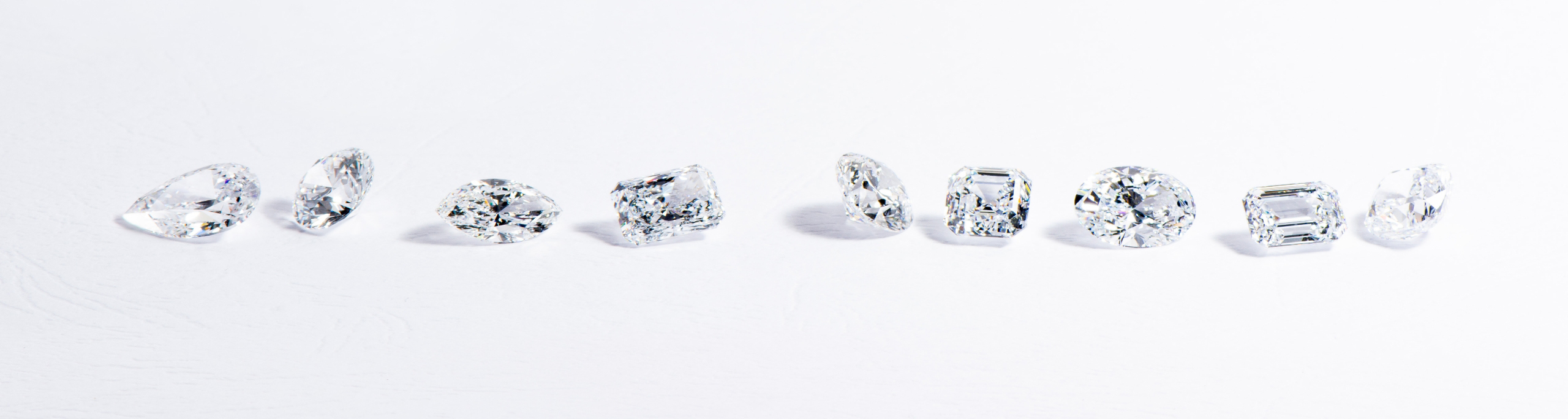
Lab grown diamonds are chemically, visually, and physically identical to their natural counterparts.

What Is a Diamond?
Over a billion years ago, deep beneath the Earth’s surface, carbon atoms bonded tightly under high temperatures and extreme pressure, resulting in the world’s hardest natural mineral: diamond.
Hidden for millions of years, diamonds only reached the Earth’s surface after volcanic activity transported them upward in magma. Then, in the 4th Century BC, the first diamonds were found in India. Today, as they have been for centuries, diamonds are one of the most beautiful and coveted objects on Earth.
What Are Lab Grown Diamonds?
Lab grown diamonds (also known as lab created diamonds, man made diamonds, engineered diamonds, and cultured diamonds) are grown in highly controlled laboratory environments using advanced technological processes that duplicate the conditions under which diamonds naturally develop when they form in the mantle, beneath the Earth’s crust. These lab created diamonds consist of actual carbon atoms arranged in the characteristic diamond crystal structure. Since they are made of the same material as natural diamonds, they exhibit the same optical and chemical properties.
How Are Lab Grown Diamonds Made?
Lab grown diamonds are created from tiny carbon seeds of pre-existing diamonds. Scientists use advanced technology – either extreme pressure and heat or a special deposition process known as chemical vapor deposition (CVD) – to mimic the method of natural diamond formation. Over the course of six to ten weeks, a rough diamond is formed. Then it’s cut, polished, and set in lab diamond jewelry such as a pair of earrings, a necklace, or a bracelet.
There are two primary methods of producing lab diamonds:
1. High Pressure High Temperature (HPHT): This method mimics the conditions under which natural diamonds are formed inside the earth. To produce the lab diamond, a large machine is fed a certain amount of carbon material that it then crushes under pressures of more than 870,000 lbs. per square inch at extreme temperatures ranging from 1300 – 1600 degrees Celsius.
2. Chemical Vapor Deposition (CVD): CVD is when a seed diamond is placed in a small, vacuum chamber filled with heated hydrogen and carbon-containing gasses. At a certain temperature, the gas molecules are broken down and layers of crystallized carbon begin to form around the seed, growing a more substantial diamond. Some lab diamonds created through CVD may also undergo pressure and heat treatment after they are grown.
You can’t tell the difference between natural diamonds, lab diamonds grown via HPHT method, and lab diamonds grown via CVD method with the naked eye, only scientists can distinguish the differences by analyzing identifying markers caused by the growth conditions.
Types of Diamonds
1.Natural diamonds form deep within the Earth under extreme conditions of heat and pressure over billions of years. They are comprised of nearly 99.95% carbon—making diamonds the only gemstone constructed of a single element. They are the hardest naturally occurring materials found on Earth and gemstone-quality diamonds are one of the most sought-after. Because of their limited quantity, natural diamonds have been cherished for their enduring value and passed from generation to generation.
2.Lab diamonds are optically, chemically, and physically the same as natural diamonds. In other words, they look, feel, and are identical. Their difference lies only in their origins — natural diamonds form within the Earth, and lab diamonds are grown by professionals with specialized equipment. Another difference relates to cost; as lab grown diamonds are less rare than natural diamonds, they often come at a much more accessible price.
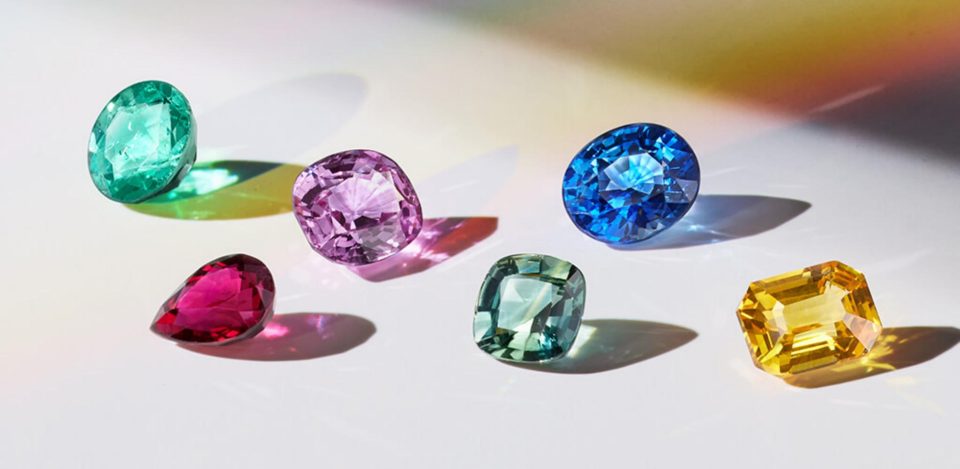
Colored Lab Diamonds
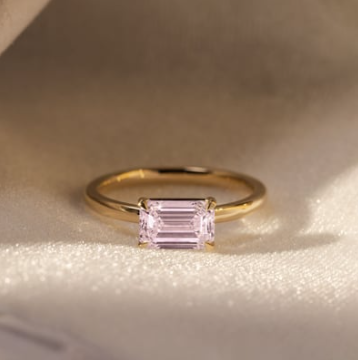
Our lab created diamonds are available in a variety of colorless ranges. We also offer lab diamonds in fancy colors that are considered very rare in nature, including popular hues of vivid yellows, oranges, blues, and pinks. Man made fancy colored diamonds are formed when small amounts of specific trace elements are present during the growth phase of the created diamond, just like in nature. Fancy colored lab created diamonds sell at more affordable prices compared to their natural colored diamond counterparts.
Incorporating Coloured Diamonds into Jewellery
Coloured diamonds can be beautifully incorporated into various jewellery pieces, such as engagement rings, wedding bands, and other bespoke designs. The unique hues and symbolism behind each coloured diamond can add a personal touch to the jewellery, making it a truly one-of-a-kind piece that tells a story.
Whether you’re drawn to the elegance and sophistication of blue diamonds, the enchanting allure of pink diamonds, or the bold and vibrant hues of yellow diamonds, there’s a colour diamond to suit every style and occasion.
Incorporating these breathtaking gemstones into your jewellery will help you create an enduring impression and a beloved memento to be cherished across generations.